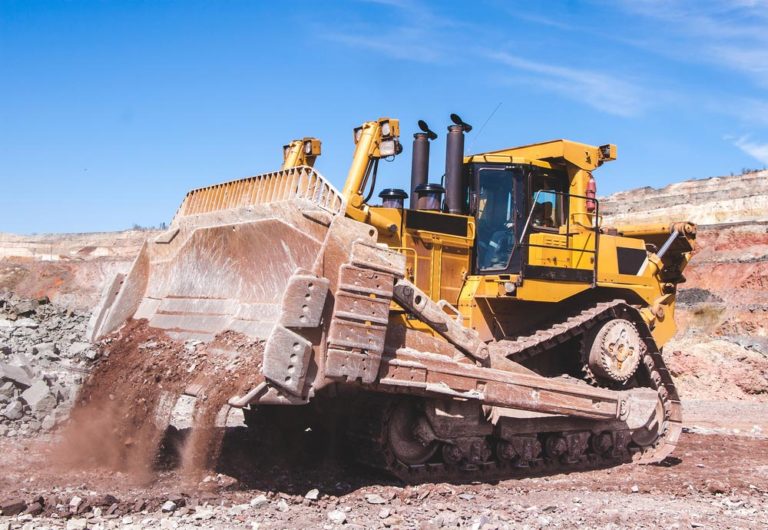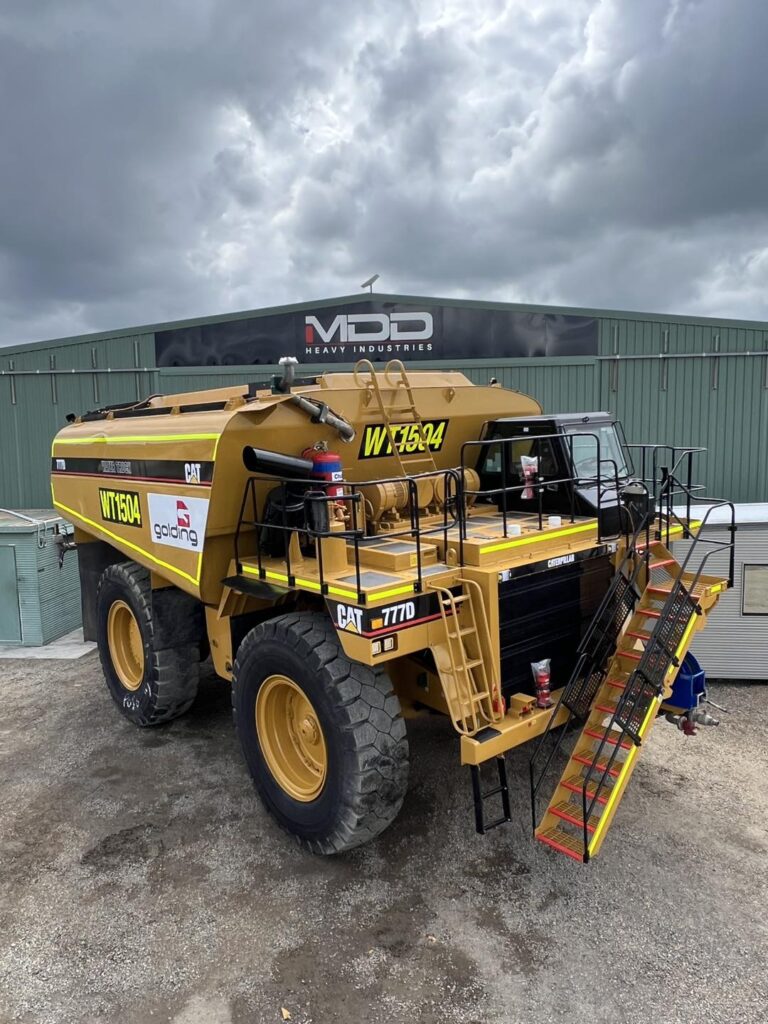
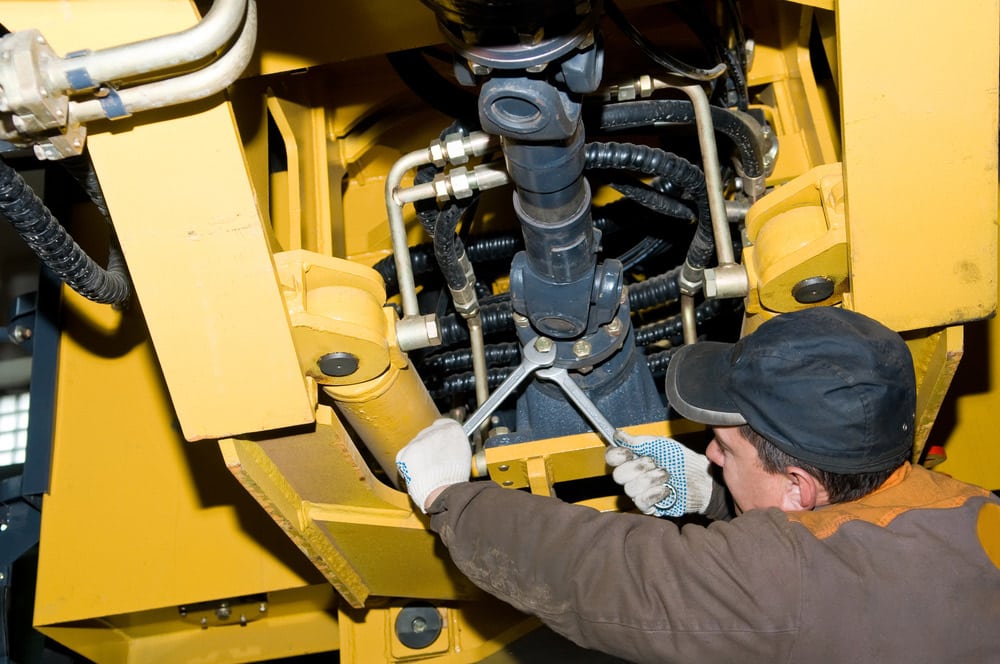
In the heavy machinery industry, downtime can be costly. Whether it’s due to a breakdown, scheduled maintenance, or unforeseen repairs, machinery that isn’t functioning properly can halt production, delay deadlines, and result in lost revenue. As a business owner or operator, finding ways to reduce downtime during machinery repair in Mackay is crucial to maintaining productivity and efficiency. In this blog, we’ll explore some effective strategies for minimising downtime when repairing your heavy machinery.
Keep Spare Parts in Stock
One of the simplest yet most effective ways to reduce downtime during heavy machinery repair is to keep a well-stocked inventory of commonly used spare parts. By having essential parts readily available, you can ensure that repairs can be completed quickly without waiting for deliveries or ordering from external suppliers.
Why It Works:
- Faster Repairs: Having parts on hand means you can replace faulty components immediately without waiting for external suppliers to deliver them, reducing wait times and speeding up the repair process.
- Minimises Delays: For critical machinery, having a dedicated set of spares can mean the difference between hours of downtime and a quick fix.
- Cost Savings: You can save money in the long run by purchasing in bulk and avoiding emergency shipping fees.
Tips for Spare Parts Management:
- Keep track of part usage and monitor which components are used most frequently.
- Regularly check the condition of spare parts to ensure they are still in good working order.
- Establish a relationship with a trusted machinery repair in Mackay to ensure you can get the right parts when you need them.
Schedule Regular Maintenance & Inspections
Preventive maintenance is one of the most effective ways to reduce downtime. Scheduling regular inspections and maintenance checks can help identify potential issues before they lead to expensive repairs or equipment failure. Proactively addressing problems can prevent your machinery from breaking down unexpectedly and keep it running smoothly for longer.
Why It Works:
- Catches Problems Early: Regular maintenance allows you to detect small issues before they become major problems.
- Optimises Performance: Routine maintenance helps machinery run at its optimal efficiency, reducing the likelihood of future breakdowns.
- Extends Equipment Life: Well-maintained equipment lasts longer, meaning you spend less time on repairs over the machine’s lifespan.
Tips for Effective Maintenance:
- Establish a regular maintenance schedule for all machinery.
- Work with experienced heavy machinery repair professionals who can perform comprehensive inspections.
- Keep a record of all maintenance activities and repairs to track machinery health.
Use Experienced Technicians for Repairs
When a breakdown occurs, having the right technician on-site is crucial. Experienced machinery repair specialists in Mackay can diagnose and fix issues more quickly and accurately than those who are less familiar with the machinery. This expertise not only speeds up the repair process but also reduces the chances of needing further repairs down the line.
Why It Works:
- Quick & Accurate Diagnosis: Skilled technicians can identify the root cause of the problem faster, leading to quicker repairs.
- Fewer Mistakes: Experienced technicians are less likely to make errors during repairs, reducing the risk of the machinery breaking down again.
- Long-Term Cost Savings: Professional repairs mean fewer recurring issues, saving money on frequent repairs.
Tips for Finding Skilled Technicians:
- Look for repair services with a proven track record in heavy machinery repair.
- Ensure the technicians are well-trained and up-to-date with the latest repair techniques.
- Choose repair providers who are familiar with your specific machinery brand and models.
Schedule Repairs During Off-Peak Hours
Scheduling repairs during off-peak hours or periods of low demand is a great way to minimise disruption to your operations. By performing repairs when machinery isn’t needed, you can ensure that production continues without delays.
Why It Works:
- Minimises Impact on Production: Scheduling repairs during times when machinery is not in use means operations can continue uninterrupted.
- More Available Technicians: During off-peak hours, technicians may be more readily available, allowing for quicker scheduling and faster service.
- Better Resource Allocation: You can dedicate your operational resources to machinery repairs without impacting the daily workflow.
Tips for Scheduling Repairs:
- Coordinate with your team to plan repairs during downtimes, such as after business hours or during planned breaks.
- Consider outsourcing repairs to an experienced provider who can offer flexible scheduling options.
- Prioritise critical equipment for repair during slow periods to avoid affecting business continuity.
Implement a Machinery Monitoring System
Implementing a monitoring system can help you keep an eye on the condition of your machinery in real time. Sensors and data analytics can track important metrics such as temperature, pressure, and vibration, alerting you to potential problems before they cause a breakdown. This proactive approach can reduce the likelihood of unexpected repairs and help you identify issues early.
Why It Works:
- Real-Time Data: You’ll receive instant notifications if a machine is performing outside normal parameters, giving you time to take action before a breakdown occurs.
- Optimised Performance: By monitoring equipment health regularly, you can identify inefficiencies and take corrective actions before they lead to failure.
- Reduced Emergency Repairs: Predictive maintenance based on real-time data helps you avoid costly emergency repairs and reduce downtime.
Tips for Implementing a Monitoring System:
- Invest in IoT-based equipment monitoring tools that can integrate with your existing machinery.
- Work with a machinery repair provider who can help you set up and maintain the system.
- Regularly review the data to spot trends and plan maintenance accordingly.
Train Employees to Spot Early Warning Signs
Training your employees to recognise early warning signs of equipment failure can help reduce downtime by addressing issues before they become major problems. Teaching staff how to identify unusual sounds, vibrations, or performance changes can lead to quicker action and fewer unexpected breakdowns.
Why It Works:
- Early Intervention: Employees can identify issues before they escalate, reducing the risk of machinery failure.
- Empowered Workforce: With the right training, employees can take proactive measures to ensure machinery stays in good condition.
- Cost Savings: Identifying and addressing small issues early helps avoid more costly repairs down the line.
Need Reliable Machinery Repair Services? Contact Us Today!
Reducing downtime during machinery repair in Mackay is essential for maintaining your business’s efficiency and productivity. Strategies such as keeping spare parts in stock, scheduling regular maintenance, hiring experienced technicians, and using monitoring systems can minimise disruptions to your operations.
At MDD Heavy Industries, we offer heavy machinery repair services, ensuring that your equipment is always ready to perform at its best. Contact us today to learn more about how our machinery repair services can help you reduce downtime.